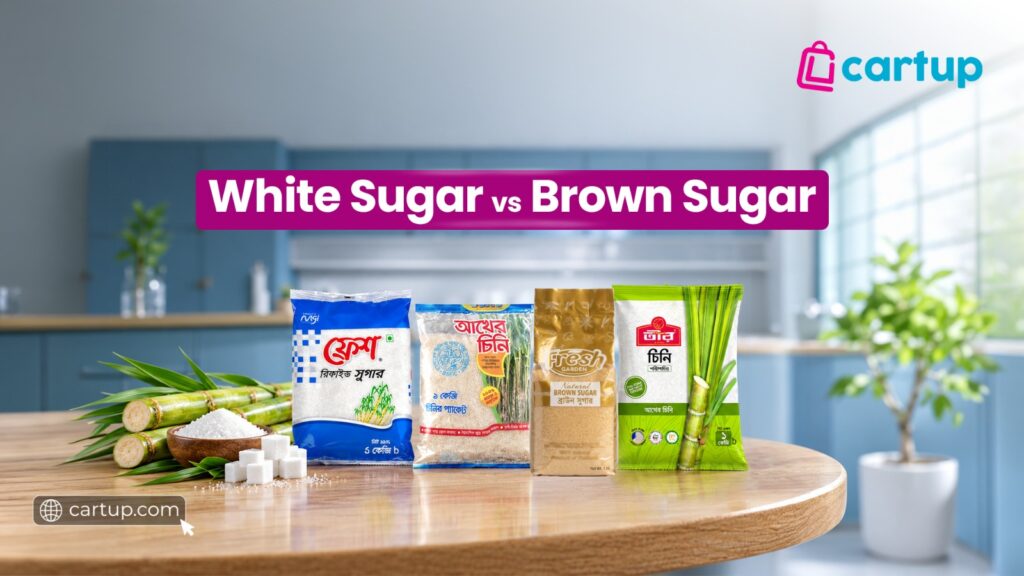
The main difference between white sugar and brown sugar is their molasses content. White sugar goes through refining to remove molasses, while brown sugar has molasses added back to it. This gives brown sugar its darker color, slightly sticky texture, and caramel-like taste. Both are mainly made of sucrose and have nearly the same calories and sweetness.
White sugar is commonly used for everyday tea, coffee, and cooking, while brown sugar is good for baking and dessert items. The best sugar in Bangladesh depends on its intended use. Check the sugar price in different marketplaces to get the best options.
Key Highlights
- White sugar and brown sugar differ mainly in their molasses content.
- Brown sugar adds a caramel-like taste and moisture to baked goods, while white sugar offers neutral sweetness.
- Both sugars contain nearly the same calories.
- Choosing the right sugar depends on its cooking purpose, preferred taste, and texture.
- Get to know how sugar processing, nutritional value, and common myths influence the choice between white and brown sugar.
What is Brown Sugar?
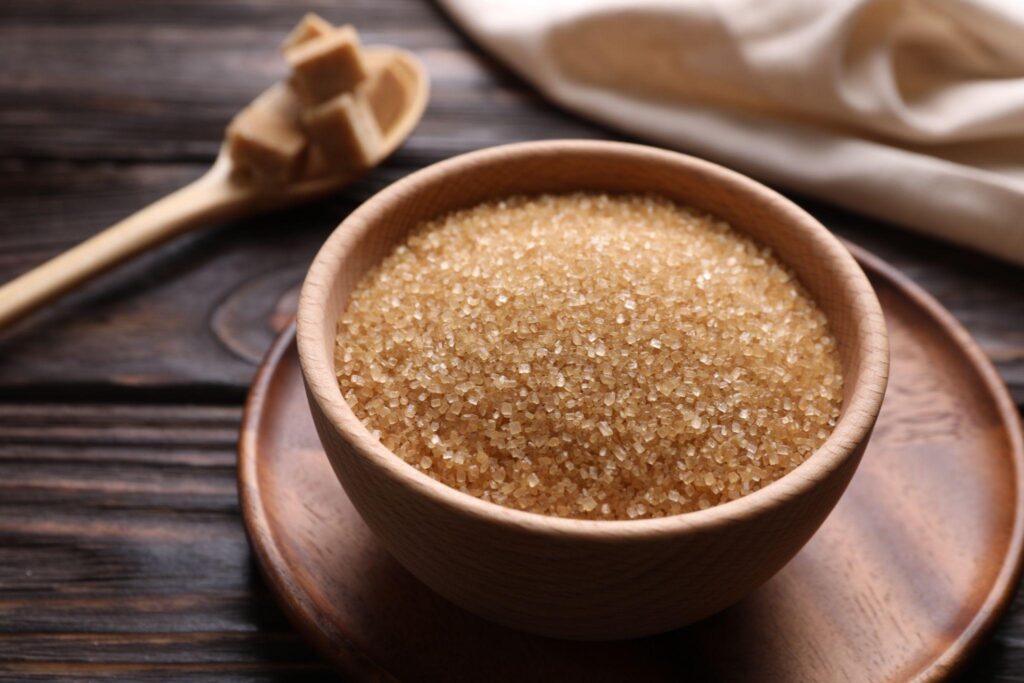
Brown sugar is a sweetener that contains molasses, which gives it a brown color, a slightly moist texture, and a deeper flavor than white sugar.
Most commercially available brown sugar is made by mixing refined white sugar with molasses. Some varieties retain molasses during processing instead.
What Makes Brown Sugar Different?
- Molasses content: Molasses gives brown sugar its darker color and distinctive flavor.
- Caramel taste: It has a mild caramel or toffee-like taste that adds depth to recipes.
- Moisture: Brown sugar generally holds more moisture than white sugar.
- Texture: It may feel softer and slightly sticky rather than dry and free-flowing.
- Baking performance: It can make cookies and other baked foods softer and more moist.
What is White Sugar?
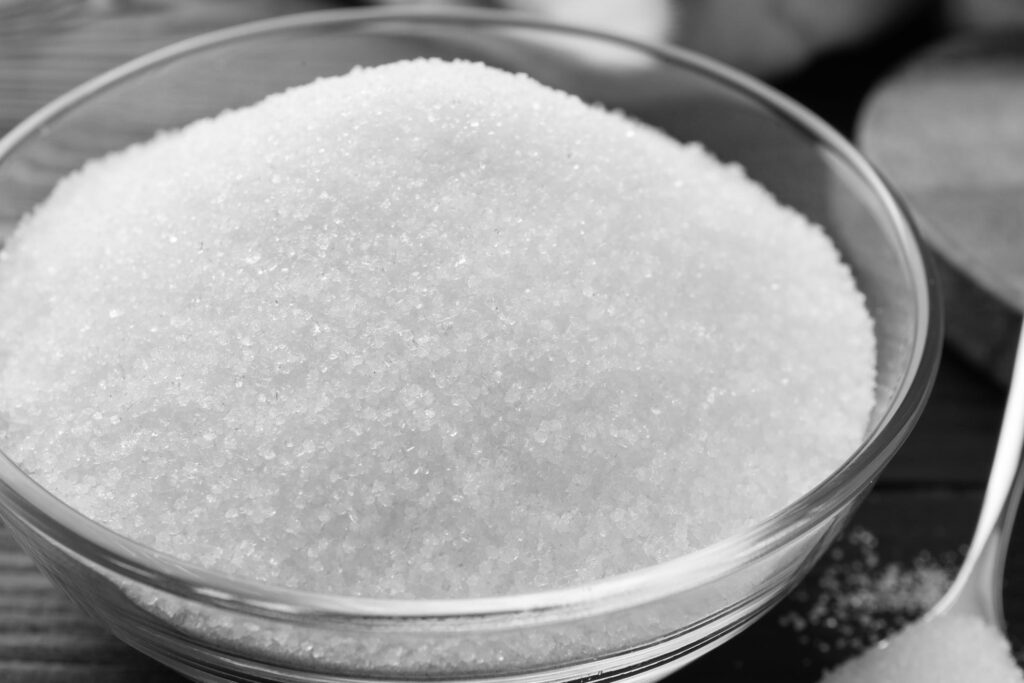
White sugar is a common sweetener made from sugarcane or sugar beet. The juice is taken from these plants, cleaned, and turned into small sugar crystals.
During this process, molasses is removed, giving white sugar its familiar white color and clean, sweet taste.
What Makes White Sugar Useful?
- Taste: Has a simple, sweet taste without a caramel flavor.
- Texture: Dry crystals that are easy to store and measure.
- Everyday use: Commonly used in tea, coffee, and cooking.
- Easy to mix: Dissolves easily in hot drinks and liquids.
- Baking: Works well in cakes, biscuits, cookies, and desserts.
Brown Sugar vs White Sugar: Comparison of Sugar
| Sl No | Feature | White Sugar | Brown Sugar |
| 1 | Main ingredient | Sucrose | Sucrose with molasses |
| 2 | Flavor | Clean, sweet | Caramel-like |
| 3 | Molasses | Mostly removed | Retained or added |
| 4 | Calories | 1 gram of white sugar has around 3.87 calories (kcal). | 1 gram of white sugar has around 4 calories (kcal). |
| 5 | Texture | Dry, crystalline | Softer, sometimes sticky |
| 6 | Mineral content | Very low | Slightly higher |
| 7 | Color | White | Light to dark brown |
| 8 | Moisture | Usually lower | Usually higher |
| 9 | Sweetness | Neutral sweetness | Sweet with a deeper flavor |
| 10 | Cooking | Everyday dishes | Everyday and richer recipes |
Key Differences Between Brown Sugar and White Sugar
Brown sugar contains molasses, making it darker and richer in flavor than white sugar. White sugar offers a cleaner sweetness. Here is a closer look at how each type of sugar differs-
1. Molasses Added
Brown sugar contains molasses, which gives it its darker color, richer taste, and slightly sticky texture. White sugar has molasses removed during refining.
2. Nutritional Differences
Brown sugar contains tiny amounts of calcium, potassium, and iron from molasses. White sugar contains almost no minerals, but neither offers meaningful nutritional benefits.
3. Texture
Brown sugar is usually soft, moist, and slightly sticky, often forming small clumps. White sugar has dry, loose crystals that flow easily and remain separate.
4. Calorie
Brown sugar provides approximately 4 calories per gram, while white sugar provides around 3.87 calories per gram. Their calorie difference is nutritionally insignificant.
5. Color
Brown sugar ranges from golden brown to dark brown, depending on its molasses content. White sugar has a bright white appearance due to refining.
6. Flavor
Brown sugar has a mild caramel-like taste with hints of toffee. White sugar provides plain sweetness without adding extra flavor to drinks or recipes..
7. Baking Results
Brown sugar helps cookies and cakes become softer, chewier, and more moist. White sugar supports lighter textures, crisp edges, and better rising in certain baked goods.
8. Culinary Uses
Brown sugar suits cookies, brownies, barbecue sauces, and desserts needing deeper flavour. White sugar works well in tea, coffee, pastries, syrups, and recipes requiring simple sweetness.
9. Sugar Storage
White sugar stays free-flowing when stored properly in airtight containers. Brown sugar can harden over time because moisture escapes, requiring careful storage to maintain softness.
10. Processing
Brown sugar is commonly made by adding molasses back to refined white sugar. White sugar undergoes further refining to remove molasses, producing its familiar colour and neutral taste.
How do White and Brown Sugar Compare Nutritionally?
White sugar and brown sugar have almost the same nutritional value. Brown sugar contains small amounts of minerals because of molasses, but the difference is too small to offer a meaningful health advantage.
Nutritional Facts
- Sucrose: Both contain mostly sucrose.
- Calories: Both provide almost the same calories per serving.
- Carbohydrates: Both are primarily carbohydrates.
- Minerals: Brown sugar has slightly more calcium, potassium, iron, and magnesium.
- Fiber: Neither is a meaningful source of dietary fiber.
- Added sugar: Both count as added sugar when added to food or drinks.
Is Brown Sugar Healthier than White Sugar?
No. Brown sugar is not meaningfully healthier than white sugar. Both contain almost the same amount of sucrose and affect blood sugar in similar ways.
- Blood sugar levels: Both can raise blood glucose after consumption.
- Glycemic response: Their effects are broadly similar because both are mainly sucrose.
- Minerals: Brown sugar contains traces of minerals, but not enough to improve overall nutrition significantly.
- Weight management: Switching to brown sugar does not automatically reduce calorie intake.
- Dental health: Excessive consumption of either type can contribute to tooth decay.
- Daily sugar intake: The amount consumed matters more than the color of the sugar.
Myth: Brown Sugar Is Better for People With Diabetes
Brown sugar is not a diabetes-friendly replacement for white sugar.
Both contain sucrose and can increase blood glucose. People managing diabetes should consider total carbohydrate intake and follow guidance from their healthcare professional rather than relying on the color of sugar.
Conclusion
Lastly, white sugar and brown sugar serve different purposes in cooking, but neither is nutritionally superior. If anyone looking for the right sugar, choose according to recipe, preferred taste, package size, and budget. There is no need to pay extra for brown sugar unless its flavor or texture is useful.
FAQ
1. Is brown sugar healthier than white sugar?
No. Brown sugar contains trace minerals, but both varieties have nearly the same nutritional value and calories.
2. Which sugar is best in Bangladesh for everyday use?
White granulated sugar is a best choice for everyday tea, coffee, cooking, and general household use because of its neutral taste and availability.
3. Which sugar is best for baking?
Brown sugar is best for moist, chewy cookies and rich cakes. White sugar is better for recipes that need a lighter texture or neutral sweetness.
4. Is Deshi Lal Chini the same as brown sugar?
Not exactly. Deshi Lal Chini, also called Akher Chini, is generally a less-refined cane sugar.
5. What’s the best type of sugar?
White sugar is best type of sugar for everyday use.
6. Which sugar is the best?
Brown sugar is the best for every cooking meals.
7. What are the best alternatives to processed sugar?
Honey, dates, date syrup & maple syrup are common alternatives. However, honey and syrups still contain sugars, while stevia provides sweetness without added sugar.